‘Doosra, Delhi Belly both got A certificates’: Filmmaker Abhinay Deo says he has never fought with CBFC, reveals his experience with the board | Excl
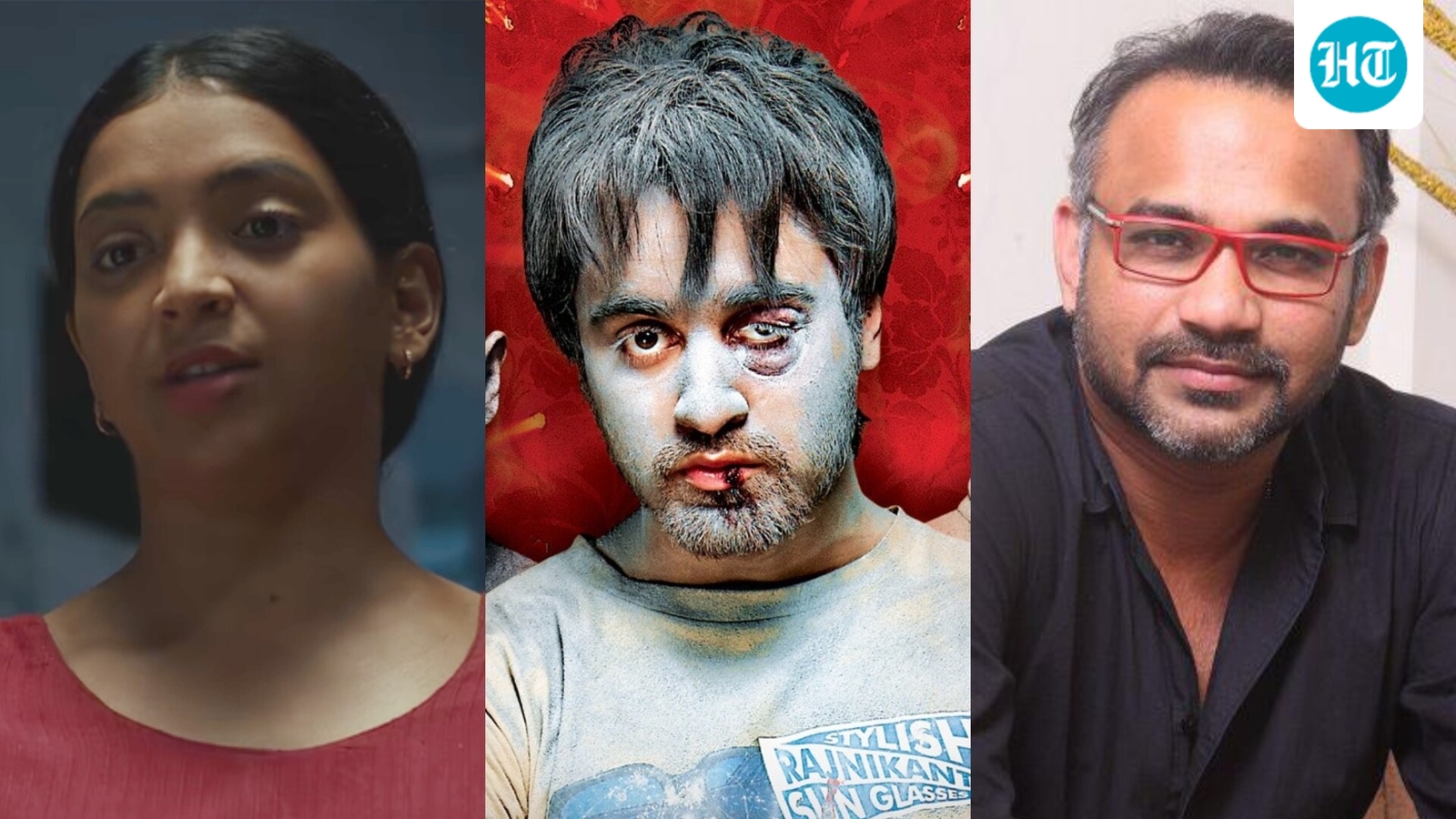
Here's the latest update from the Bollywood world:
When Sourav Ganguly took off his shirt and waved it from the Lord’s balcony after India’s memorable NatWest Series victory in 2002, it became one of the defining moments in Indian cricket. While the celebration is remembered for its sheer audacity, filmmaker Abhinay Deo sees it as a statement of confidence from a team that was no longer willing to play second fiddle. That spirit of defiance forms the heart of his soon-to-release movie Doosra, which connects the Indian cricketer’s rebellious streak with the story of Tara, a young woman growing up in a conservative household in Rajasthan who begins questioning the restrictions imposed on her.
Adding to this, Filmmaker Abhinay Deo says he has never fought with the CBFC, recalls getting A certificates for Doosra and Delhi Belly. Starring Plabita Borthakur as Tara, the movie uses a landmark moment in cricket to explore a much more personal struggle for freedom. Beyond its central theme, the movie has also received an A certificate from the Central Board of Movie Certification (CBFC), raising questions about how filmmakers navigate the certification process while trying to preserve their stories. Abhinay, however, says his experience with the board has been largely hassle-free, unlike the challenges other filmmakers have spoken about.
Meanwhile, According to several reports, CBFC flagged a few scenes in Doosra, including a brief shot of a nude photograph in an adult magazine that Tara's father catches her looking at as a child. The board also raised concerns about a reference to the Babri Masjid episode and sought changes to the scene. However, director Abhinay Deo was reluctant to alter footage he considered important to the story and chose to accept an A certificate instead of making the requested cuts.
Notably, Abhinay points to his 2011 dark comedy Delhi Belly as an example of how smoothly the certification process has worked for him. In conversation with Hindustan Times, he says, “My experience with anything that could be considered objectionable goes back to Delhi Belly, my first movie, and now Doosra, my latest movie. Interestingly, both films were adult-rated, and both were passed without cuts. My meeting with the board lasted seven or eight minutes, maybe ten. They asked what rating I was expecting, and I shared a U/A rating would be great, but if that meant cuts, I would rather go without them.”
As per the latest buzz, He explains that the board asked him to change just one word in Doosra, much as it had done with Delhi Belly. “It’s a very interesting story because both my films were adult-rated with just one word changed. I have never had a fight with them,” he adds.
In further updates, Abhinay is quick to clarify that his experience may not reflect what other filmmakers have gone through. For Doosra, he says, the team was comfortable with an A certificate because it felt the movie was not necessarily meant for younger viewers to watch on their own. However, he believes its themes could still resonate with them. “We were very clear that we were fine with an adult certification. This is not a movie for a 13-year-old to come and watch on their own, though it is a very important movie for a 13-year-old to see as well,” he explains. He adds that he has no issue with the movie eventually reaching audiences on a streaming platform.
On top of that, At around 78 minutes, Doosra is considerably shorter than most mainstream theatrical releases. Abhinay believes the movie's length and intense storytelling make it well suited to a continuous screening without an interval. While the team had hoped to avoid a break, the director admits that the final decision is not entirely in their hands.
“In a 78-minute movie that is an intense drama, I think it can very easily go without a break. There are some films where the first half itself is longer than 78 minutes these days,” he says. While he understands that exhibitors have commercial considerations, including selling refreshments during intervals, he believes the movie's viewing experience deserves equal consideration. “I understand that they need to sell popcorn, but at the end of the day, they exist because of films. They need to be a little more sensitive towards the films as well,” he explains.
Source: Hindustan Times