Jantar Mantar’s changing place in Delhi’s protest map
Here's the latest protest news from across India:
Delhi Police on Monday de-notified Jantar Mantar in Lutyen’s Delhi as a designated protest venue, naming Ramlila Ground, Burari Ground and CBD Ground in Shahdara , venues spread out across the city, as the new sites for demonstrations.
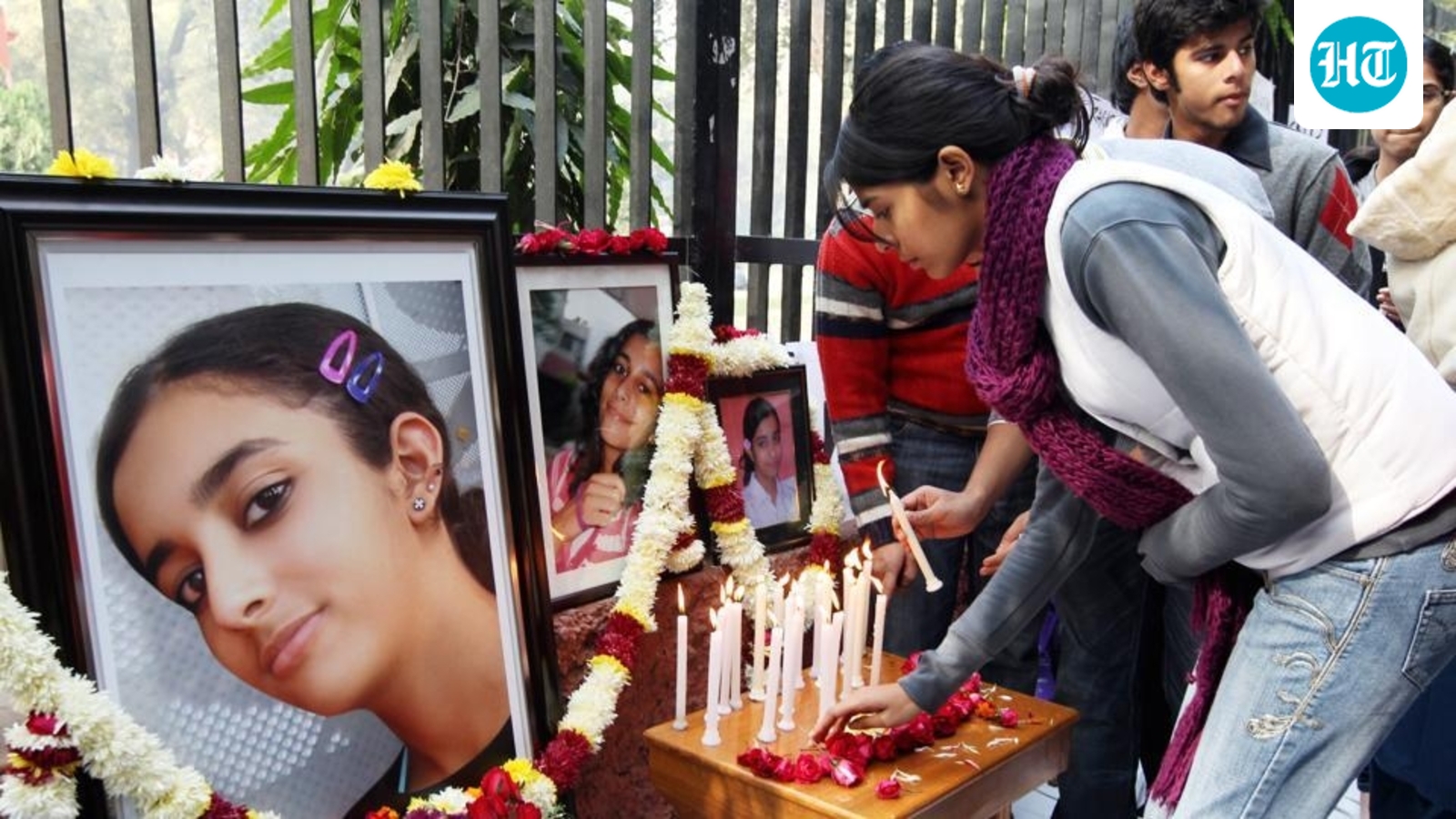
Adding to this, In this file photo friends and relatives of Aarushi Talwar light candles near her portrait to seek justice for her at Jantar Mantar in New Delhi in Jan 2011. (HT File Photo) The move comes two days after the Supreme Court called for authorities to consider better-equipped alternatives, but it revives a constitutional question the court confronted in 2018: how can the State regulate protests without effectively shutting down a space for dissent?
Meanwhile, Jantar Mantar was built as an astronomical observatory, but its adjoining road gradually acquired another role. It became a place where citizens could make their grievances visible to the political establishment. After demonstrations at the Boat Club lawns near India Gate were restricted following a major farmers’ agitation in the 1980s, Jantar Mantar became, from around 1993, the principal venue where protests in the capital were permitted.
Notably, Protesters could gather within sight of Parliament and government offices, but the compact stretch of road also made demonstrations easier to contain than large marches through the city. The 2018 Supreme Court judgment recorded arguments that the site offered protesters greater visibility and that shifting them farther away risked diluting their message.
As per the latest buzz, The venue hosted demonstrations by farmers, trade unions, political parties, students, civil society groups and individuals pursuing personal causes. Some gatherings were brief; others became prolonged occupations, with tents and temporary structures remaining in place. That persistence, and the accompanying use of loudspeakers and public-address systems, soon became a source of conflict with residents.
In further updates, In October 2017, the National Green Tribunal (NGT) accepted a complaint by residents of Jantar Mantar Road, noting that demonstrations had become continuous and were causing noise and air pollution, sanitation problems and disruption to their daily lives. Residents also complained that protesters had put up tents and other structures and that some had remained for months or years.
On top of that, The NGT’s October 2017 order directed the Delhi government, New Delhi Municipal Council and Delhi police commissioner to stop dharnas, protests, public speeches and loudspeaker use on Jantar Mantar Road. It also ordered the removal of temporary structures and waste, and directed that protesters be shifted to Ramlila Maidan.
The order brought the site’s role as a protest venue to an abrupt halt. It framed the dispute primarily as one of environmental harm and residents’ rights, but the protesters and supporting organisations argued that a complete prohibition also cut off a practical, visible platform for peaceful assembly proximate to the seat of government.
Source: Hindustan Times