From Upkar to Dhurandhar: How Bollywood's language of patriotism moved from defiance to pride | Independence Day Special
Here's the latest update from the Bollywood world:
Patriotism in Hindi cinema began during the British Raj, with songs like Door Hato Ae Duniya Walon defying British censors and introducing nationalism to cinema. But over the years, the most popular lines and songs about patriotism in Bollywood have shifted from defiance to pride and, eventually, to swag.
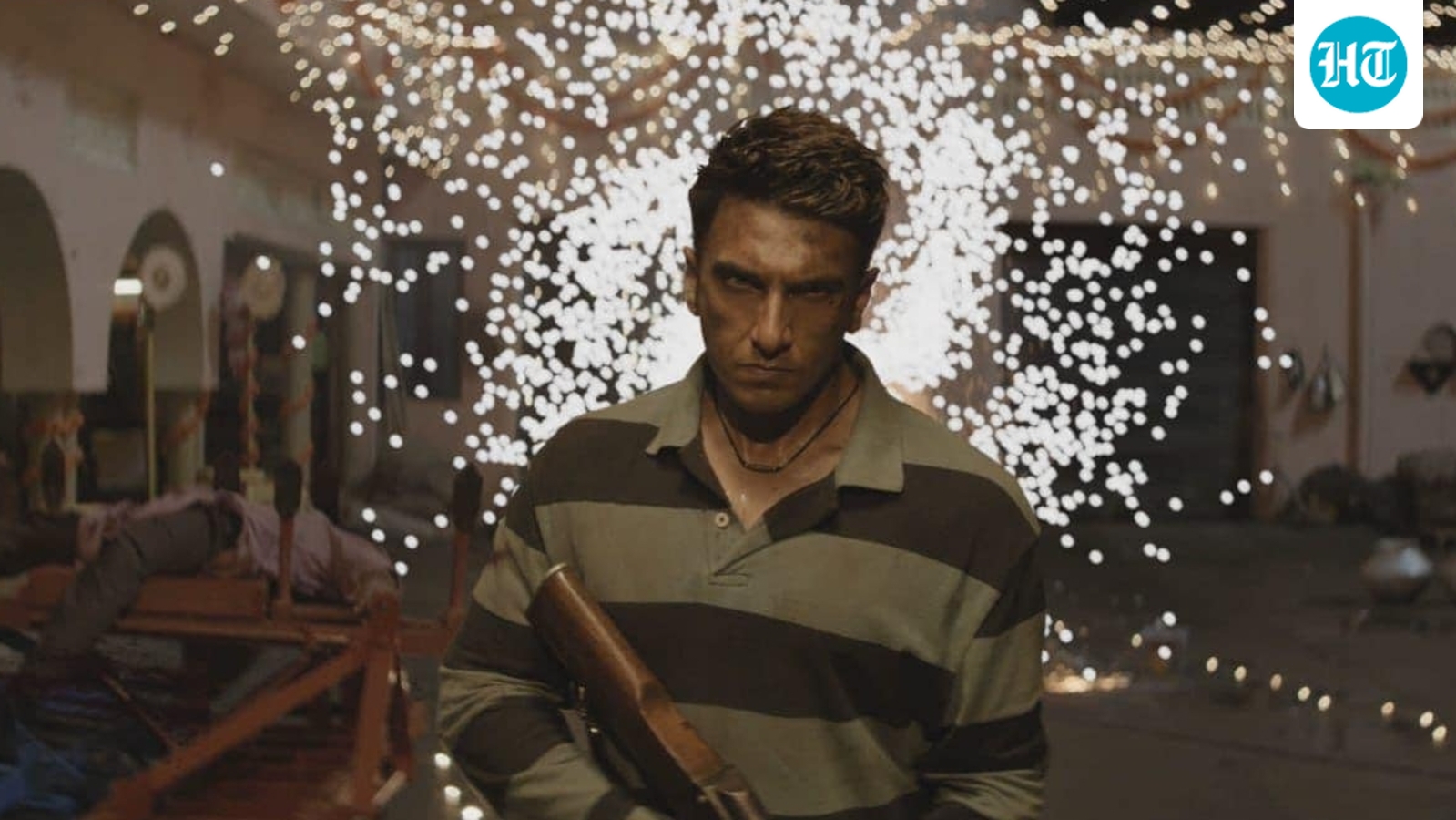
Adding to this, Aditya Dhar's Dhurandhar The Revenge contained an aggressive, proud tone of patriotism. Defiance against the ‘masters’ - the beginnings The 1943 movie Kismet was one of the first Hindi films to include a song or theme that one can call patriotic and nationalistic. Up until then, patriotism was introduced through historical accounts of Akbar, Ashoka, or Shivaji. But Kismet brought nationalism to a movie set during World War II.
Meanwhile, When lyrics to a song went ‘ Aaj Himalaya ki choti se humne phir lalkaara hai, door hato ae duniya walon, Hindustan hamara hai’, it was a clarion call to Indians. The movie's makers deftly hid the song from the British censors, saying it was a message to the enemies of British India during the War. But the message reached the masses.
Notably, The early patriotic films were either war dramas or retellings of the freedom struggle. Haqeeqat retold stories from the 1962 China War, while Shaheed was an ode to Bhagat Singh and his comrades. The songs and lines were bold and defiant.
As per the latest buzz, In the 60s, Manoj Kumar took it upon himself to bring a new style of patriotism - pride in what a young India had achieved and hope for the future. From that was born ‘ Mere desh ki dharti sona ugle’ in Upkar. In Purab Aur Pachhim, when he sang ‘ Hai preet jahan ki reet sada,’ the message was clear: India wants to spread love and harmony. Sunil Dutt's Hum Hindustani was a similar love letter to a developing India, with loads of messages of gratitude to Pandit Nehru's administration.
In further updates, According to screenwriter Shantanu Srivastava, the language of patriotism changed because the audience changed. “As the nation grows more self-reliant and prosperous, you also start feeling emotionally involved with patriotism because, after all, being an Indian is my identity. Whenever you see the tricolour or the national anthem plays, you get goosebumps,” he told ANI.
On top of that, There was yet another transition in the 80s as Hindi cinema entered its commercial masala era. The patriotic films of the time became massier, bigger, and more modern. In Karma, Dilip Kumar merged Seven Samurai's plot with a fight against a terrorist overlord. ‘ Dil diya hai, jaan bhi denge, ae watan tere liye’ signified a shift in how love for the nation was perceived now. Sacrifice, while fighting for the nation, was in.
Manoj Kumar, too, adapted to the new theme. His movie, Kranti, was an action-swashbuckler set in British India and emerged as the biggest box-office hit of the decade. Even the reigning superstar Amitabh Bachchan attempted this new style of patriotism as he fought evils like corruption in Main Azaad Hoon.
Source: Hindustan Times