How sensitive retelling of Partition found place in Bollywood's azaadi stories; Imtiaz Ali and Rajkumar Santoshi explain
Here's the latest update from the Bollywood world:
In two months, Hindi cinema has seen the rollout of two big films set during the Partition of India. Mind you, I use the term Partition, not Independence, because these two films make that distinction clearly. Both Main Vaapas Aaunga and Batwara 1947 talk about the human cost of the Partition of India and Pakistan, but without talking about the hatred or vitriol. These are films about love, about hope, and most importantly, about learning from the past. Two films may not signify a trend, but 2026 has shown that Bollywood can speak sensitively about something as painful as the Partition.
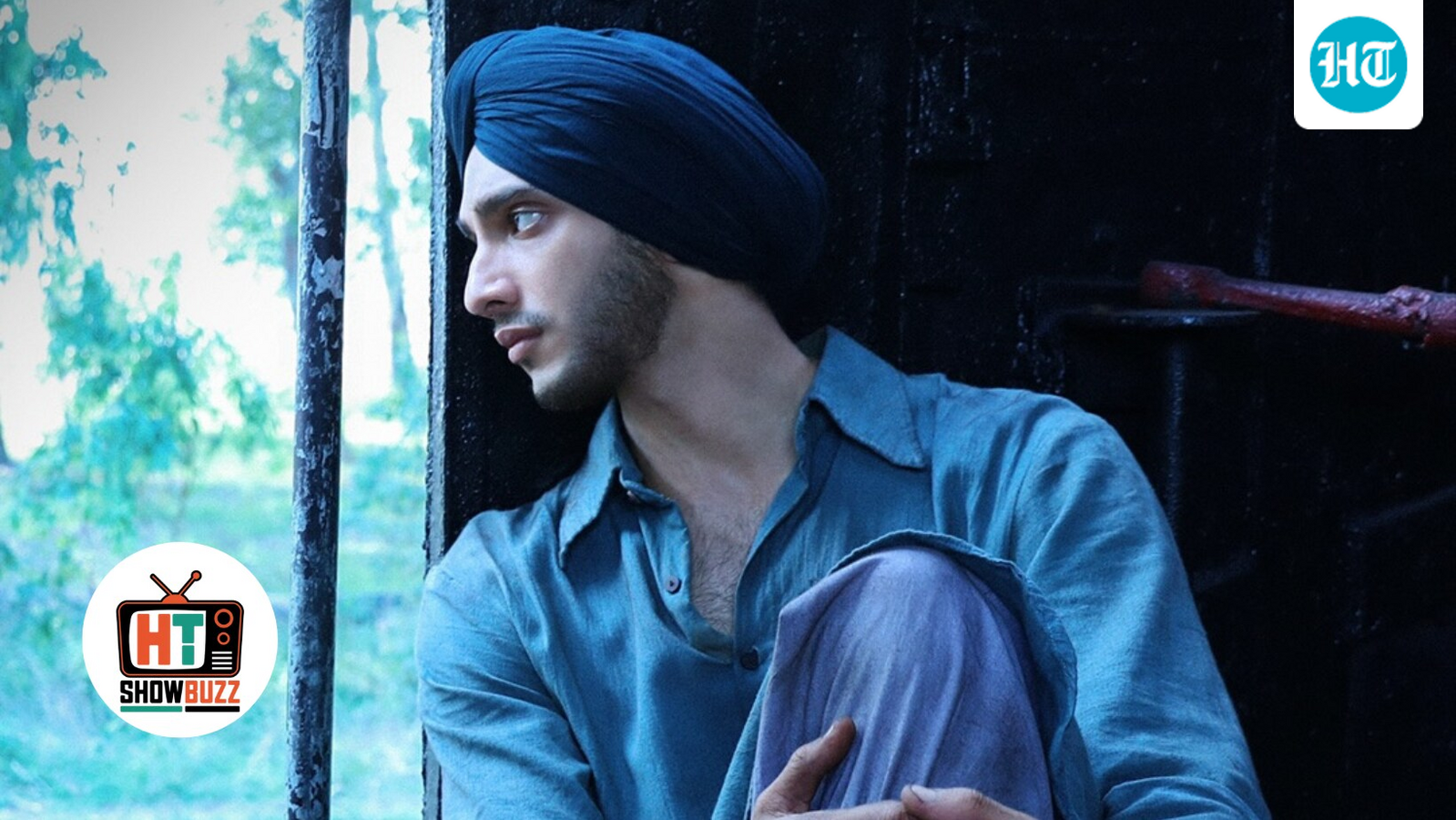
Adding to this, Vedang Raina plays a young Sikh man forced to leave his village after Partition in Main Vaapas Aaunga. ‘A story of two people but also of a country’ Imtiaz Ali ’s Main Vaapas Aaunga is a love story that transcends time and borders. Set in 1947, it is about Keenu (Vedang Raina) and Jiya (Sharvari) living on, keeping the promise to each other in their hearts. “This is a story of two people but also the story of a country,” the filmmaker tells us. Imtiaz says he understood the challenge of making a soft love story set during the biggest humanitarian tragedy in history. But he found the middle ground by ‘focusing on Jiya and Keenu’. He explains, “It is their personal story and everything else that is happening is kind of out of focus.”
Meanwhile, It’s not as if stories of Partition have not been told in Hindi films before. But they have been about pain (like Pinjar) or rage (in Gadar). The shift now is that films talk about moving past that pain, towards hope, redemption, and moving forward. Batwara 1947, directed by Rajkumar Santoshi, is massier than Main Vaapas Aunga, but retains the humanity of the stories around Partition. The movie stars Sunny Deol as a Muslim man who moves to Pakistan during Partition, only to find a Hindu woman, played by Shabana Azmi, still living in his new home. As tensions rise, he takes responsibility for protecting her while keeping his family safe.
Notably, Talking about taking an objective approach to telling a story from that era, director Santoshi says, “Partition ke time pe yeh dekha gaya hai insaan ne bulandiyan bhi touch ki hai, great courage dikhaya hai, great sacrifices bhi diye hain, aur utne ghinaune harkat bhi insaan ne kiye hain. Yeh donon cheez Partition mein dekhi gayi hain. Iss movie mein bhi aise emotions hain. (It has been observed that during the Partition, humanity scaled great heights—demonstrating immense courage and making profound sacrifices—yet also committed truly heinous acts. Both these facets were witnessed during the Partition. This movie captures those very emotions).”
As per the latest buzz, Both these films have one commonality with other stories about Partition. They look at it through the lens of an individual or a family, rather than as a nation, thereby personalising pain. But while earlier, the pain was largely about the loss of home or identity, now it has transcended that. Preity Zinta , who returns to the big screen with Batwara 1947, explains, “It’s not about ki udhar kya ho raha hai, idhar kya ho raha hai (what is happening this side or that side). It’s about humare ghar mein kya ho raha hai (what is happening in my home). When world events happen, you don’t look at it that way. Woh toh history mein in retrospect aap dekh ke bolte hain ki arre aisa hua (You look back and reflect on how it happened). When you are going through a situation, your first instinct is: my family and me. That is how different people react.”
In further updates, The challenge to that is not reducing the political upheaval and the human tragedy to something subservient to an individual’s ‘selfish’ pain. But Imtiaz says a balance has to be sought. “It's not as though that we are pretending that it is not happening. We are not trying to say that what is happening is pleasant at all. We fully respect and acknowledge the authenticity of the incidents that occurred in 1947. However, the story is about a young boy and a young girl who are deeply aggrieved by the events of Partition for a very personal reason. They are not so mature or large-hearted as to say that the division of the country is my problem. For them, the problem is the divide between you and me. That's what matters to people personally,” says the filmmaker.
On top of that, Abhimanyu Mathur is Deputy Editor, Entertainment at Hindustan Times. With almost 15 years of experience in writing about everything from films and TV shows to cricket matches and elections, he inhales and exhales pop culture and news. Currently, he watches movies and TV shows and talks to celebrities for a living, while occasionally writing about them as well. A journalism graduate of Delhi College of Arts and Commerce, Delhi University, Abhimanyu began his career with Hindustan Times at the age of 20, swapping classrooms for newsrooms at an early age. He began his journey in the early days of digital journalism, later switching to the madness of print journalism. Work has led him to far off places like Japan and Jordan, as well as to the interiors of Haryana and the Indo-Pak border. He dabbled in city reporting in places like Meerut, Gurgaon, and Delhi, covered the Olympics and Cricket World Cups, before finding his calling in entertainment and lifestyle during the pandemic. A Rotten Tomatoes Certified Movie Critic, he is equally at home covering stories on ground as he is interviewing celebrities and studios, and sometimes prefers to shepherd teams in delivering traffic through the day. Even as his role has evolved from reporter to supervisor over the years, his first love remains writing (and of late, talking on camera). With a good understanding of cinema and its trends, and a keen eye for detail, he continues to spark conversations around showbiz for readers around the world. Read More
Source: Hindustan Times